The True Value Of What We Have With SASHIKO GALS
false
What would you like to explore?
Japan is home to many traditions built on repair rather than replacement: Kintsugi pottery repairing; yosegei-zaiku wood re-working; boro and sashiko mending of worn fabrics.
But, for Japanese menswear brand KUON founder and organiser of the SASHIKO GALS craftwork project, Arata Fujiwara, all of these techniques are underpinned by a single philosophy: “learning the value of what we already have”.
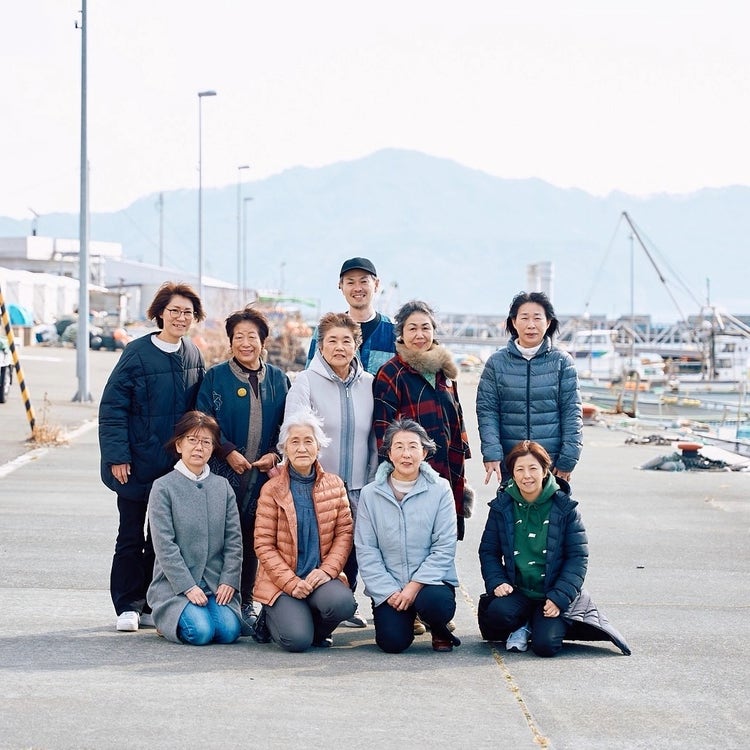
It is this philosophy that, Fujiwara believes, beneath the radical story of the Japanese SASHIKO GALS seamstresses, is their true significance.
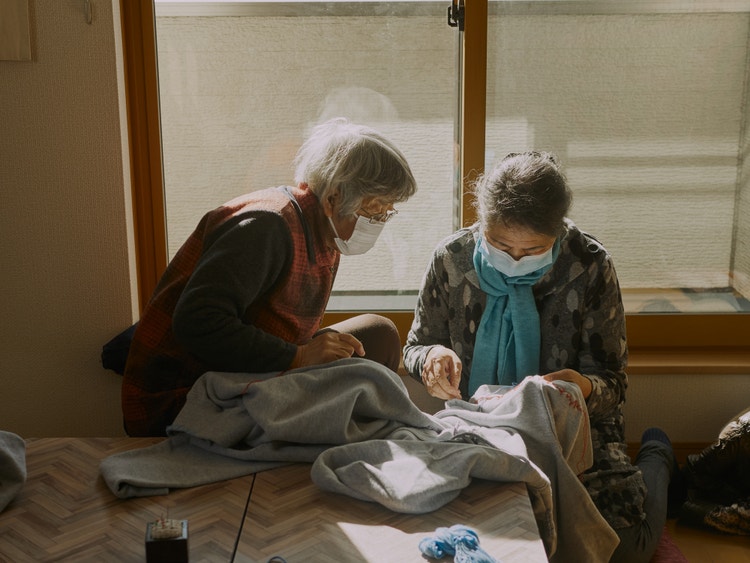

“No matter how beautiful or important a culture may be, if there is no one left to carry it forward, eventually it will disappear,” says Fujiwara of this new phase in the project. “Our dream is that one day people will say, ‘If you think of sashiko, you think of Otsuchi’. If we can establish sashiko as an industry in Otsuchi, it can create employment, provide opportunities for younger generations, and give people new reasons to remain connected to the town.”
“At the same time,” Fujiwara continues. “What we have learned through nearly 15 years of working in Otsuchi is gradually becoming a model that could potentially be applied elsewhere. Through Otsuchi, we hope to show people not only what recovery looks like, but what can exist beyond recovery.”
It is through this spirit of working within their local community that KUON and SASHIKO GALS arrived at their latest collaboration with Patina, which, across Osaka, Maldives and our upcoming Tianjin location, similarly aims to live in harmony with local traditions.
“No matter how beautiful or important a culture may be, if there is no one left to carry it forward, eventually it will disappear,” says Fujiwara of this new phase in the project. “If we can establish sashiko as an industry in Otsuchi, it can create employment, provide opportunities for younger generations, and give people new reasons to remain connected to the town.”
“At the same time,” Fujiwara continues. “What we have learned through nearly 15 years of working in Otsuchi is gradually becoming a model that could potentially be applied elsewhere. Through Otsuchi, we hope to show people not only what recovery looks like, but what can exist beyond recovery.”
SASHIKO GALS × KUON × Patina
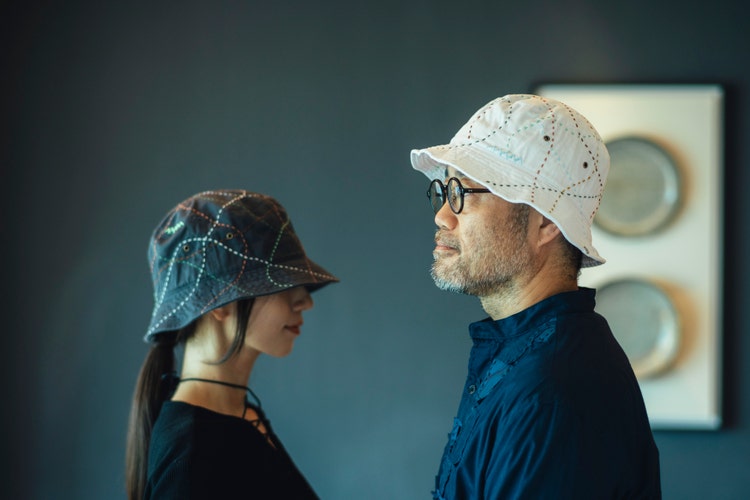
The collection includes an upcycled line of bucket hats (white and grey) and a delicate sacoche, each hand-crafted by the SASHIKO GALS artisans in Patina-exclusive embroidery colours.
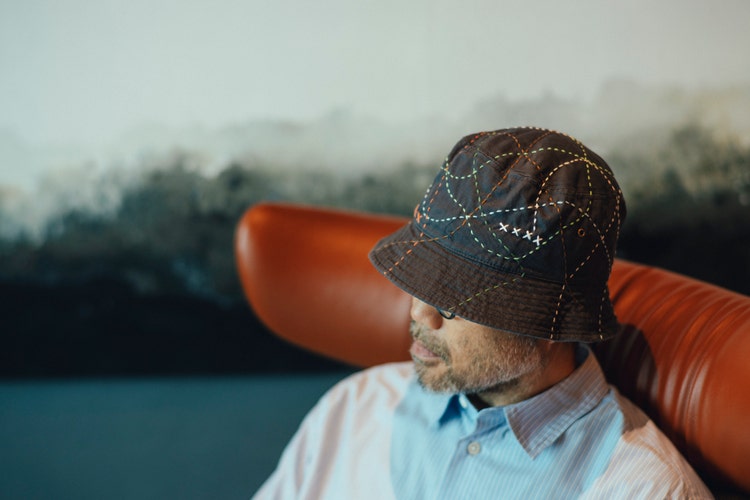
Their wayward streaks of white, gold and emerald stand as reminders of past hardships and hopeful futures.
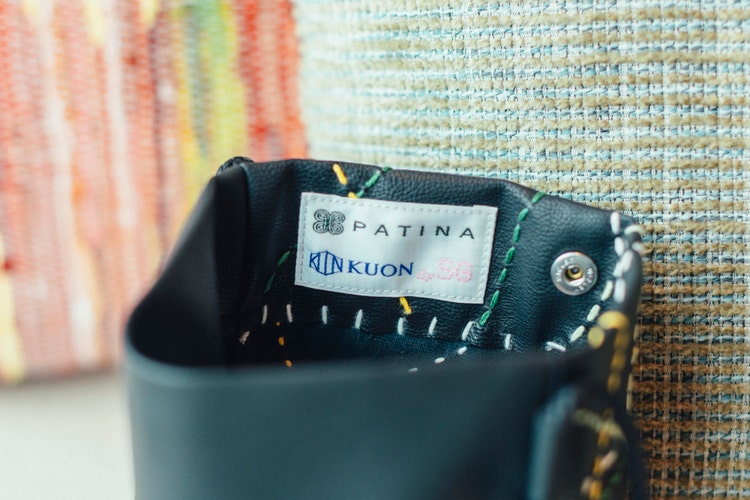
For both Patina and the SASHIKO GALS, culture is not something to be enjoyed at distance, but to be lived and sustained through practice.
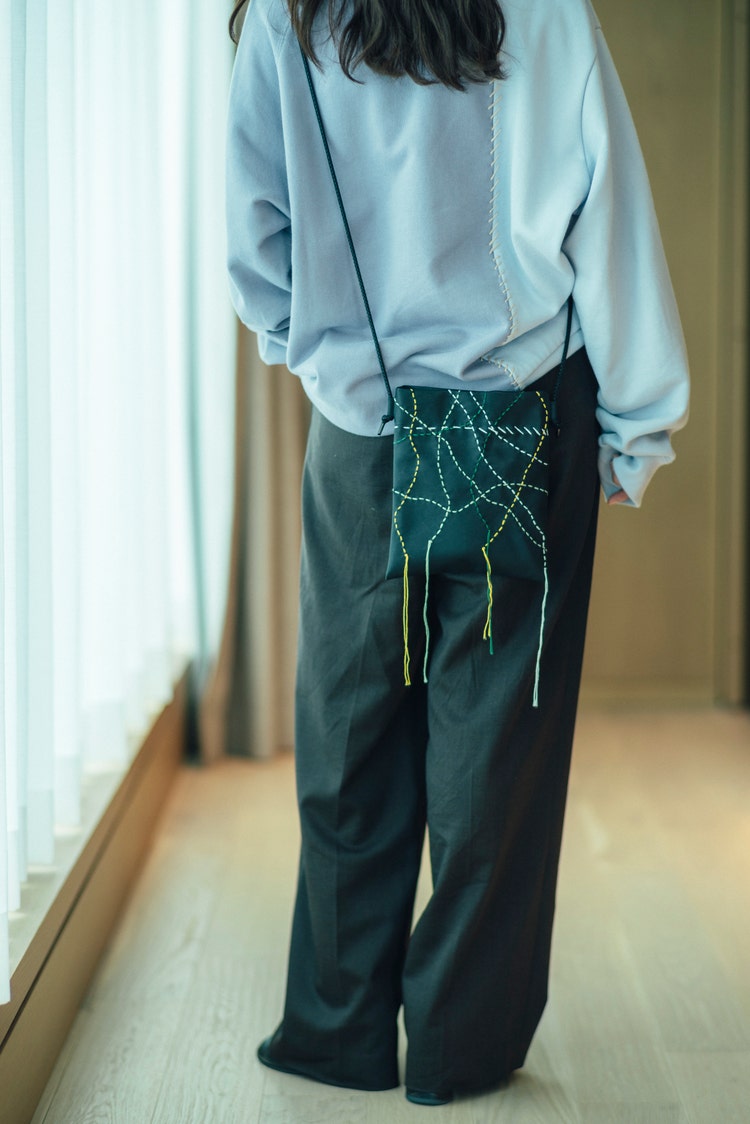
And, as Fujiwara hopes, perhaps one future guest will pick up an item and be inspired to travel to Otsuchi themselves.

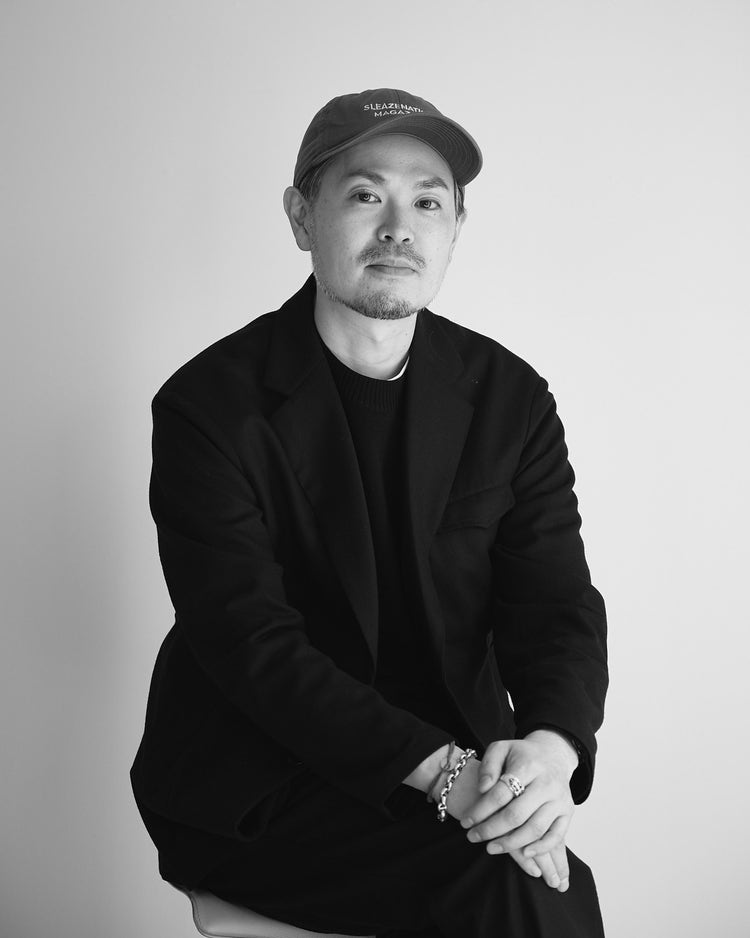
We sat down with KUON founder and SASHIKO GALS organiser Arata Fujiwara to hear more of this in his own words.
One of KUON’s key philosophies is connecting people and society. How did that philosophy shape the SASHIKO GALS project?
Through KUON, we have always believed that fashion and craftsmanship can do more than simply create and sell products. They can connect people to people, people to communities, and people to society.
With SASHIKO GALS, we connect the skills of the women in Otsuchi with our experience in design and fashion, and then connect their work with customers, companies, and communities around the world. To me, that is exactly what “connecting people and society” means. SASHIKO GALS is a natural evolution of that philosophy.
What, in your words, makes the sashiko technique so special?
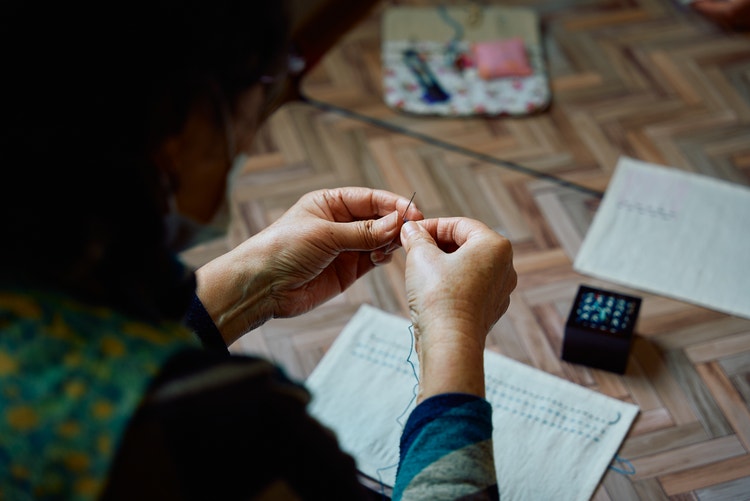
One of the most beautiful things about sashiko is that, as long as you have a needle and thread, anyone can do it, anywhere, at any time. Many traditional crafts require specialized tools, equipment, materials, or a particular environment. Sashiko is different. All you really need is fabric, a needle, and thread.
At the same time, because anyone can try it, it becomes even easier to understand just how extraordinary the skill of the SASHIKO GALS artisans really is. Once you actually pick up a needle and try sashiko yourself, you begin to understand how much experience it takes to stitch with their speed, precision, consistency, and beauty. Anyone can begin sashiko. But mastering it is something completely different.
I think that combination is one of the things that makes sashiko so special.
What values can the sashiko technique and the Gals share with the world?
As a company, we are committed to systematically protecting, developing, preserving, and sharing Japanese traditions and culture with the world and with future generations. But I don’t think SASHIKO GALS itself needs to constantly tell people, ‘We must protect Japanese culture’. What SASHIKO GALS should focus on is much simpler: Create beautiful and exciting things, create enjoyable experiences, and let people around the world enjoy them.
Someone might discover sashiko because they simply love one of our products. That person might eventually try sashiko themselves. Someone else might become curious about Otsuchi. Another person might start thinking differently about repairing something, keeping it longer, or valuing what they already own. For us, that is enough.
Preserving culture does not always have to begin with a serious conversation about preservation. It can begin with something much simpler: ‘This is cool,’ ‘This is fun,’ ‘I want to try this’.
If those feelings naturally connect people with a culture, then that culture has a better chance of continuing into the future. And we believe that creating more of those small moments of joy and connection can make the world a little happier.